Multi-Page vs One-Page Website: Which Structure to Choose for Conversions and SEO in 2026
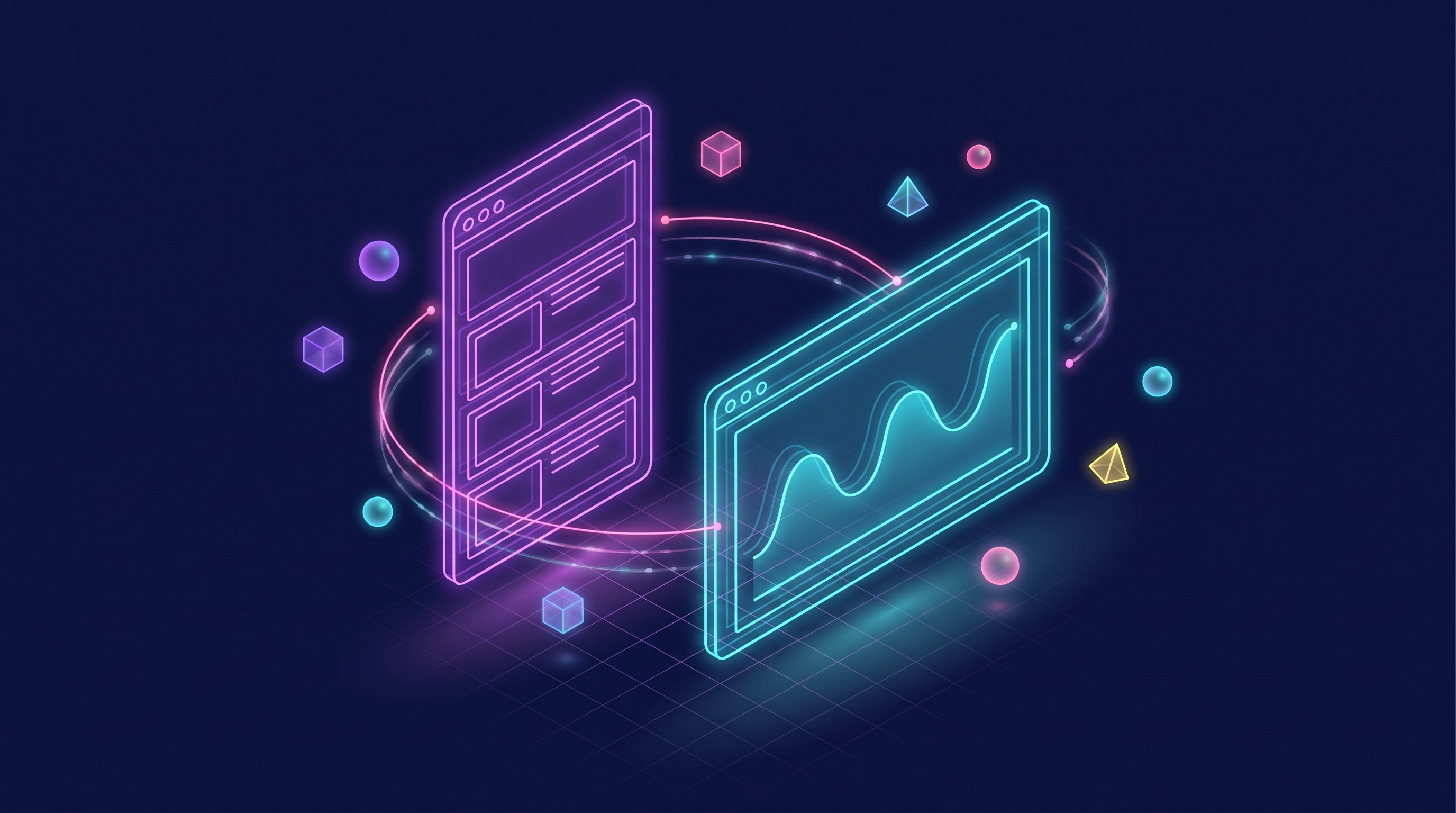
One of the earliest architectural decisions of any new web project is also one of the most underrated: build a multi-page site, with dedicated URLs for every section, or a continuous-scroll one-page site? The wrong choice is never fatal, but it shapes SEO ranking, conversion rate and how easily the site can grow for years. In 2026, with organic traffic increasingly split between classic search and AI-generated answers, this decision matters more than ever.
The Deciding Factor: How Much Content Does Google Need to Index?
A one-page site structurally has a single indexable URL: all the content — about, services, portfolio, contact — lives under one page, often reached through internal anchors. That means the entire site competes to rank for a limited set of queries, while a multi-page site can dedicate a specific page to every service, every use case, every city served, multiplying the opportunities to capture different searches. For a business that lives on organic search — a professional firm, an e-commerce store, a software house — multi-page is almost always the correct SEO choice.
When One-Page Genuinely Works Better
One-page isn't a fallback compromise: for certain goals, it's the single most effective structure. An event with a fixed date, a single product launch, a landing page for a specific ad campaign, or a professional's showcase site with one clear offer all benefit from a linear path with no forks: the user scrolls, reads the value proposition in the order the marketing team intended, and reaches the call to action without distraction.
The Impact on User Experience and Load Times
A one-page site loads everything — text, images, scripts — on a single page, which without careful optimization (lazy loading off-screen sections, code splitting) can weigh down initial load time. A multi-page site naturally spreads the weight across several URLs, each lighter and faster to serve. On mobile, where over 60% of traffic in Italy now concentrates, this difference directly affects Core Web Vitals and therefore ranking.
Multi-Page Website
One-Page Website
The Hybrid Approach: The Best of Both Worlds
The most common approach among modern business websites isn't picking one extreme, but combining them: a one-page-style homepage that tells the brand story with a continuous narrative flow, linked to dedicated pages for services, blog, case studies and contact. This hybrid gives the immersive one-page experience at the main entry point, without giving up the depth and indexing power of a multi-page architecture for the rest of the site.
- Choose multi-page if organic traffic is a strategic acquisition channel for your business.
- Choose one-page for campaign landing pages, time-bound events and specific offers.
- Consider the hybrid approach if you need both strong homepage storytelling and deeply indexable content.
- Either way, optimize loading: lazy loading, WebP images and code splitting are not optional in 2026.
The bottom line: there's no universally better structure, only the right structure for the business goal: long-term organic acquisition for multi-page, immediate conversion on a specific offer for one-page.