Risk Management in IT Projects: How to Build and Use a Risk Register in an SME
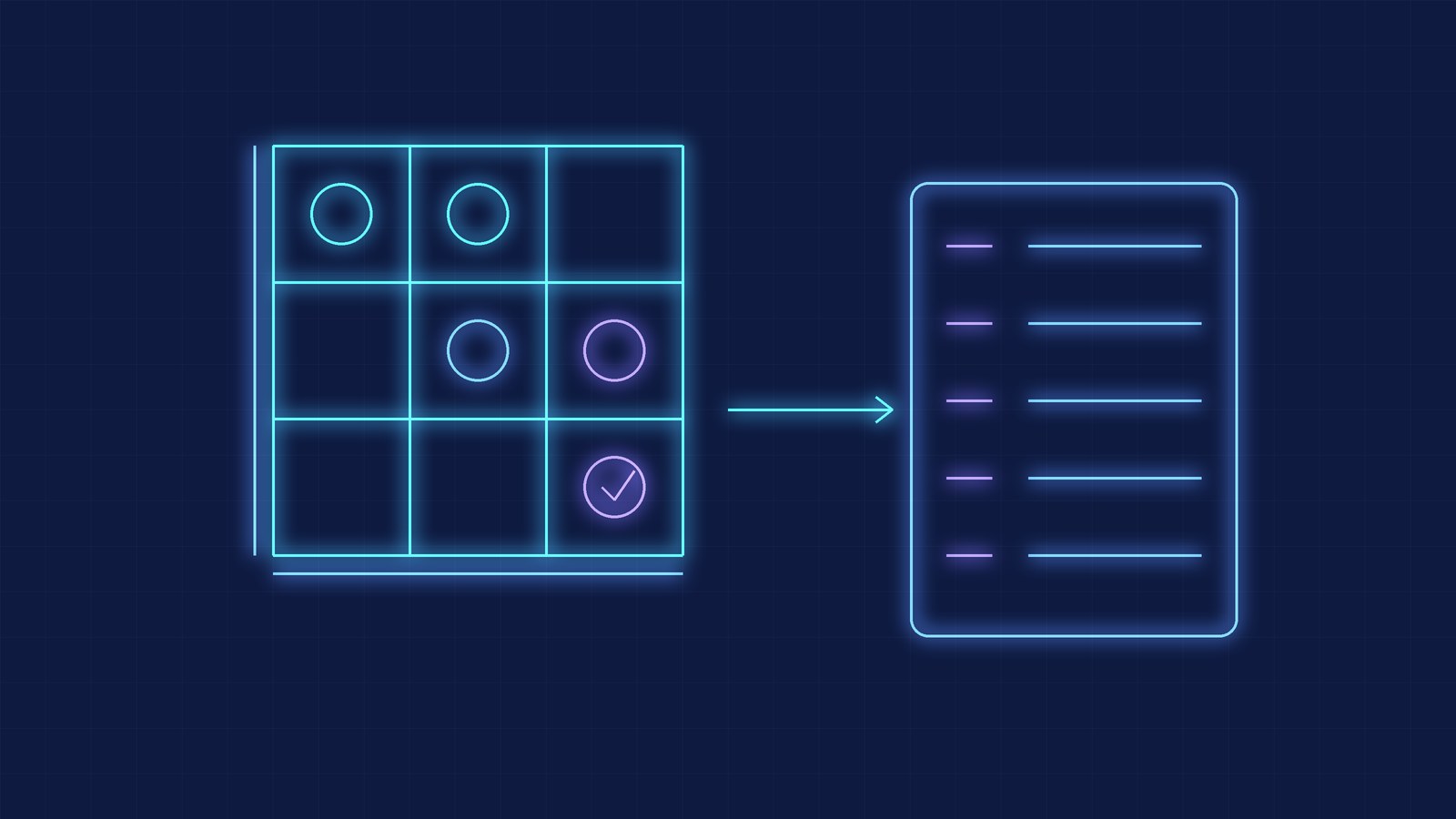
Risk management in an IT project means identifying in advance the events that could delay it or affect its cost or quality, assessing them by probability and impact, choosing a response and keeping them under control with an up-to-date risk register. An SME does not need a heavy process: a list of 10-20 risks, an owner for each and a 15-minute review at each progress meeting concretely reduce surprises.
Why IT Projects Overrun
Software and integration projects rarely overrun because of one big event. More often there is an accumulation: changing requirements, dependencies on external vendors, migration data worse than expected, key people unavailable and testing left at the end of the schedule. These are foreseeable risks that can be named before they happen.
Identifying Risks
Identification works best in a short workshop with the people working on the project: developers, the business contact, whoever runs the systems. An effective question is "if in three months the project were late, what would be the most likely causes?". A checklist by category helps avoid forgetting anything.
- Requirements: unclear objectives, changing requests, no decision owner.
- Technology: legacy integrations, performance, security, a technology new to the team.
- Data: quality and completeness of data to migrate, access permissions, privacy.
- People: availability of the internal contact, dependence on one person, missing skills.
- Vendors: third-party delays, licence limits, service continuity.
- Planning: optimistic estimates, compressed testing and acceptance, deadlines tied to external events.
Assessing Probability and Impact
For each risk, estimate probability (low, medium, high) and impact on time, cost or quality. The product of the two values, on a simple 1-3 or 1-5 scale, gives a score that ranks risks and shows where to focus. Precision is not the goal: you need a shared criterion for deciding what to handle first.
The Risk Register
The register is a table, even in a spreadsheet. The minimum columns are: risk description (cause, event, consequence), category, probability, impact, score, chosen response, owner, review date and status. Writing the description as cause-event-consequence makes the risk verifiable: "because the export from the old system is incomplete, we may find missing fields during acceptance testing, delaying us by two weeks".
Choosing the Response
For each significant risk, choose a strategy. Avoid means changing the plan to remove the cause. Reduce means acting to lower probability or impact, for example with an early prototype or a preliminary data analysis. Transfer means moving the risk to a third party, through a contract or insurance. Accept means taking no action, but preparing a contingency plan or a time and budget reserve.
A contingency reserve sized on the highest risks is more honest than an estimate with no margin. The reserve is managed by the project manager and used only for events that were in the register.
Monitoring and Reviewing
The register is only useful if it is alive. At each progress meeting, review the main risks, update probability and impact, close those that have passed and add new ones. A warning sign, an early indicator such as a delay in delivering the data, lets you trigger the response before the risk materializes.
At project close, lessons learned go into a reusable register template: the next project starts with the typical risks of its category already listed.
Key takeaway: managing risk does not require bureaucracy: a short register with scores, owners and concrete responses, reviewed at every progress meeting, turns surprises into anticipated events and helps keep an IT project on time and on budget.